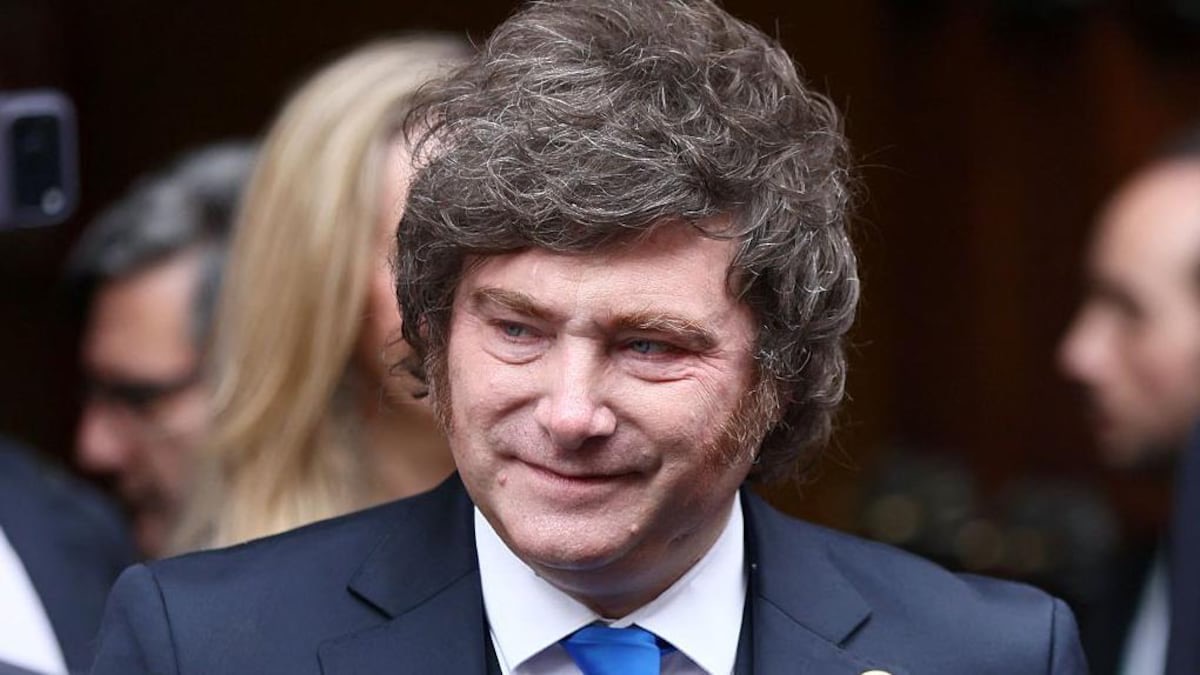
Driving the news: President Javier Milei announced in a national address that he will send Congress a legislative package built around four pillars: a 'fiscal shackle' (grillete fiscal), a central bank reform, a capital markets overhaul, and an insurance market deregulation.
How the shackle works: If the fiscal result stays in deficit for several consecutive months, Congress gets a few weeks to restore balance. If it fails, an automatic shutdown kicks in. Under Milei's proposal, the president, vice president, senators, deputies, ministers, secretaries, and undersecretaries 'will not collect a single peso in salary.' Pensions, social programs, health, security, national defense, and the prison system would keep running.
Central bank: The reform would ban the central bank from financing the state and make its sole mandate preserving the currency's value. Removing its president would require two-thirds of both chambers — not just the Senate as current law requires.
Markets and insurance: The capital markets bill aims to channel private savings into productive investment by cutting regulations. The insurance reform would scrap prior-authorization requirements for new products, letting companies design coverage freely.
Reality check: Milei's coalition needs allied opposition votes in both chambers to pass any law. Critics, including former central bank chief Alejandro Vanoli, argue the reform 'diminishes the regulator's role and could affect financial stability.'
The bottom line: Milei is trying to constitutionalize austerity — turning a policy choice into a legal straitjacket that future governments cannot easily undo. After cutting inflation from 160% annually when he took office, locking in the framework is the logical next move. Whether Congress delivers is another question entirely.