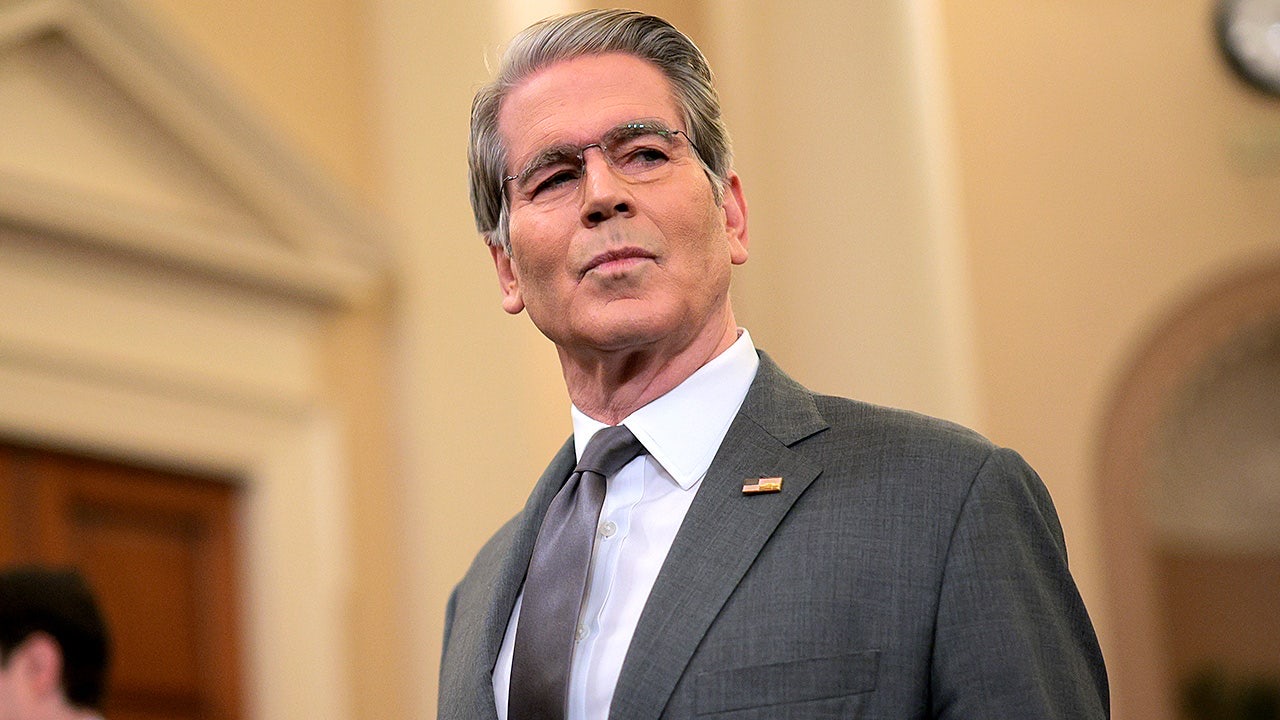
Driving the news: Treasury Secretary Scott Bessent unveiled 'Operation Economic Outcast' Monday. The initiative targets Iran's digital assets, technology, gold, aviation and shipping. Nearly 60 individuals, entities and vessels were designated. Business leaders and firms in China, the UAE, Singapore, Turkey and Greece were among those blacklisted.
By the numbers: Iran's rial hit a record low Monday — 2 million rials to $1 USD. The U.S. has already seized roughly $1 billion in Iranian cryptocurrency assets. The Treasury says it has mapped every node in Iran's oil-smuggling and sanctions-evasion network.
How it works: Secondary sanctions will not all hit at once. Countries currently doing business with Iran get a window to cut ties. Those that don't will face penalties. Bessent called Monday's announcement a 'warning shot.' 'If they do not respond, then you will see the ramifications of their actions,' he said.
Between the lines: Iran's own parliament speaker, Ghalibaf, warned last week in Baghdad that the struggling economy poses a national security risk. 'If people are hungry and we don't have financial circulation, we will not endure,' he said.
The bottom line: This is maximum-pressure economics — deliberate, sequenced and backed by a mapped intelligence picture. Bessent is offering a cure period before the hammer falls. The message to Tehran's enablers is blunt: stay in the dollar system, or don't. The Trump administration is betting that financial isolation, not military force, closes the Iran file. Every nation still running swap lines or exchange houses for Tehran now has a clock ticking.