Driving the news: U.S. District Judge Indira Talwani ruled Tuesday that USPS violated her Aug. 11 preliminary injunction. The agency issued Trump's mail-ballot final rule Friday and sent it to the Federal Register with an immediate effective date. Talwani said the defiance was clear. 'Defendants cannot contend that they misunderstood the scope of the court's order,' she wrote.
But: She declined to block publication. The rule went to the Federal Register on Wednesday as scheduled. The existing injunction still bars USPS from enforcing the new standards for the Nov. 3 election.
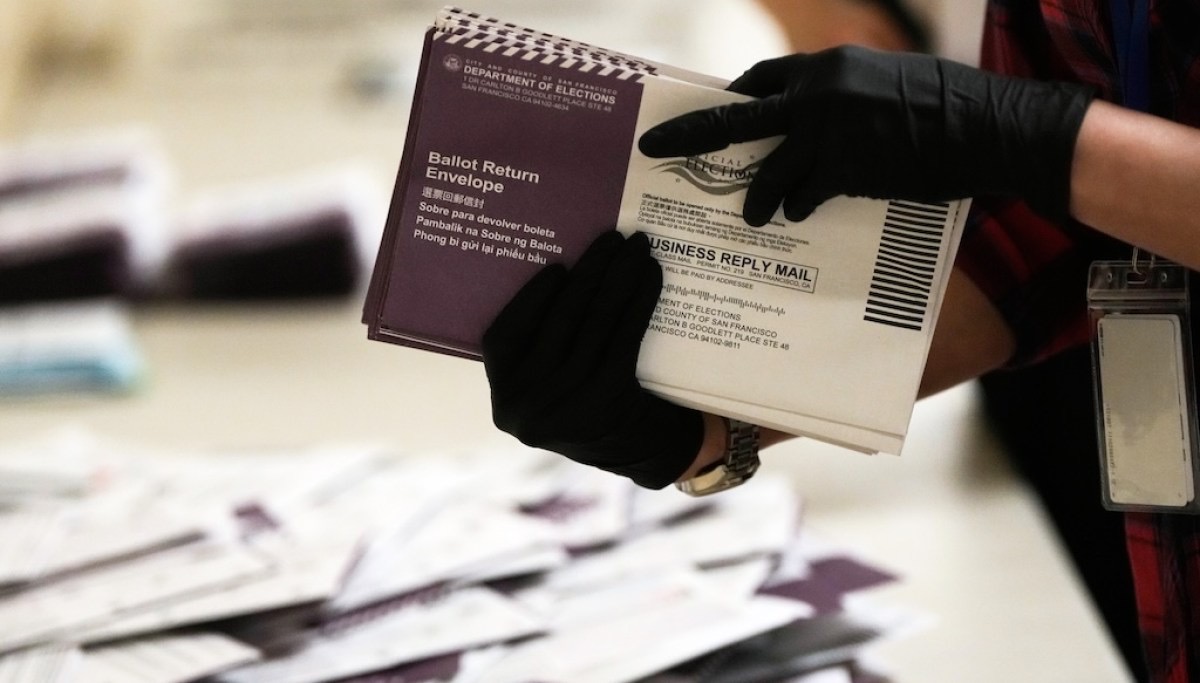
What the rule does: States must give USPS lists of voters who received mail ballots. Outgoing and return envelopes must carry unique barcodes. USPS checks envelope compliance. It does not determine voter eligibility.
The big picture: One day before Talwani's ruling, the Supreme Court lifted a separate injunction. The high court found 23 Democrat-led states sued too early — the rulemaking wasn't finished yet. That decision left Talwani's order intact. She noted the final rule may actually help plaintiffs by giving them a completed regulation to challenge.
Between the lines: The administration argued publishing the rule didn't violate the injunction. Its logic: USPS won't implement it before Nov. 3 unless courts lift the block. Talwani didn't buy the compliance argument. She did buy the remedy argument — and let the rule stand.
The bottom line: The rule is published. The injunction holds for November. The legal fight over mail-ballot integrity is far from over — and the Supreme Court's next move will set the real terms.