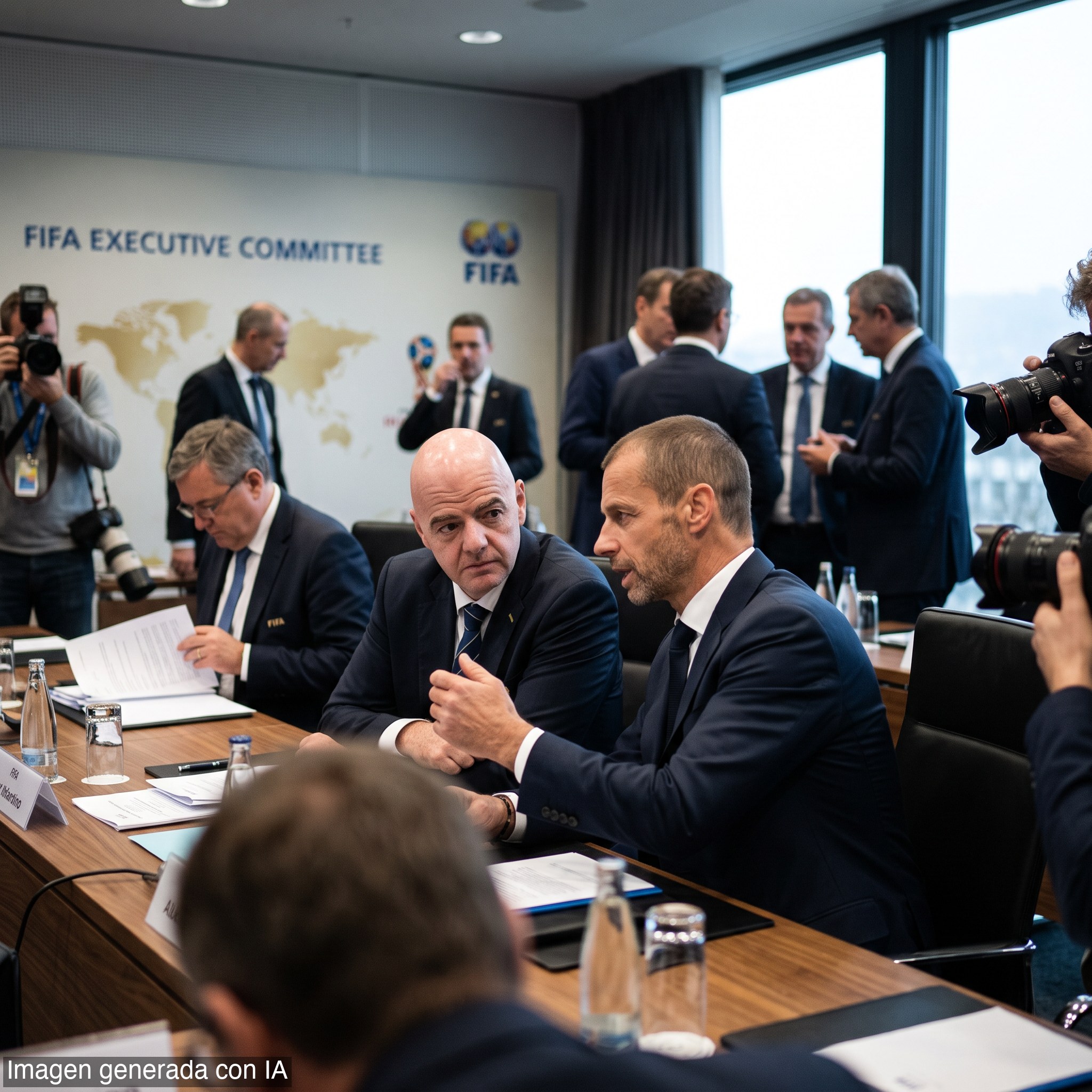
Driving the news: FIFA has officially scrapped FIFA Forward Enterprise, its plan to bring private capital into revenue streams tied to the 2030 World Cup. The decision came after the initiative exposed deep divisions inside global soccer governance.
What happened: The proposal aimed to raise additional funds through private investors. Those resources were earmarked for football development — especially in regions lacking infrastructure and competition budgets. FIFA said the plan was always contingent on majority support from member associations and a full consultation process with the FIFA Council, confederations, and other stakeholders.
The split: UEFA was the loudest critic. Other confederations also raised objections. The resistance proved too broad to overcome.
In FIFA's own words: 'It has become evident that the project has generated divisions of a nature that, regardless of the level of support, are no longer in the interest of the objective established in the first place.'
Between the lines: Gianni Infantino's leadership pushed the plan. Its collapse is a visible check on his authority. FIFA framing the retreat as a principled choice — rather than a defeat — does not change what it is.
The bottom line: Private capital in sports governance is not inherently wrong. Done right, it funds real development. But when the process fractures the institution before a deal is signed, the cost outweighs the capital. FIFA blinked. The 2030 World Cup financing question is still open.